
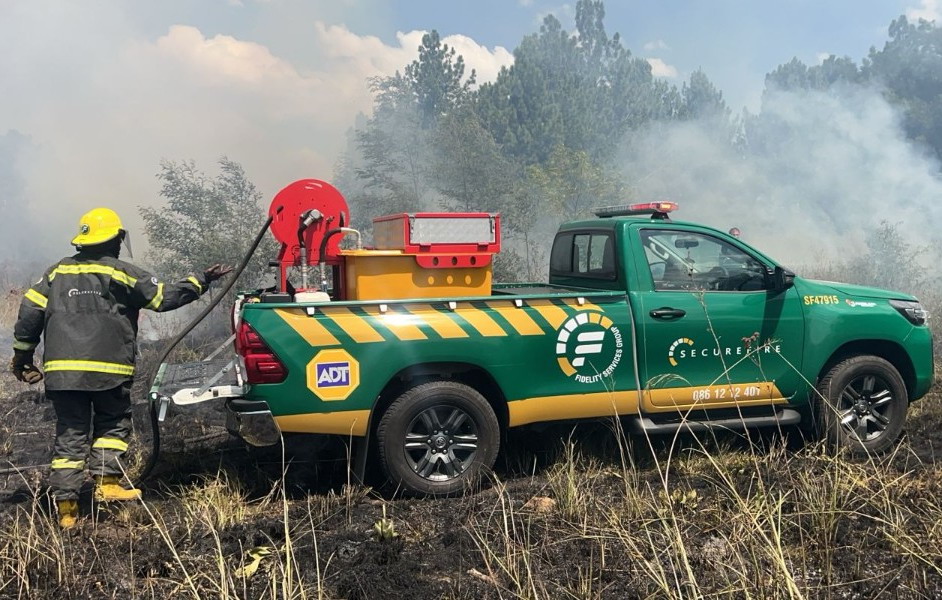
Fidelity Services Group Fire Fighter Jobs 2026: Discover potential requirements, duties, qualifications, application tips, and how to find firefighter vacancies in South Africa.
Introduction
Are you looking for a firefighter job in South Africa? Fidelity Services Group Fire Fighter opportunities may interest you if you’re passionate about protecting lives, preventing fires, and helping people during emergencies.
Firefighters play an important role in keeping workplaces, buildings, businesses, and communities safe. They respond to emergencies, help control fires, support evacuation procedures, and assist with other safety-related incidents. However, becoming a firefighter requires more than courage. Applicants must be physically prepared, able to follow safety instructions, and willing to work under pressure.
Fidelity Services Group is a South African security and integrated services company. Depending on the vacancy, its operations may include fire safety, emergency response, risk management, and related services.
Before applying, it’s important to confirm the actual job requirements, location, salary, closing date, and application procedure from the official recruitment notice. Not every firefighter vacancy has the same requirements, so applicants shouldn’t assume that all positions follow identical rules.
In this guide, you’ll learn about the potential duties of a firefighter, the qualifications that may be required, the application process, and practical ways to prepare for a job opportunity.
Important: The information below is a general application guide. It doesn’t confirm that a specific Fidelity Services Group Fire Fighter vacancy is currently open. Check the company’s official careers information for verified vacancies.
Meta Description and Article Overview
This article explains what applicants should know when looking for Fidelity Services Group Fire Fighter jobs in South Africa. It covers possible entry requirements, duties, application documents, interview preparation, and frequently asked questions.
1. Understanding Fidelity Services Group Fire Fighter Opportunities
Fidelity Services Group operates in South Africa’s security and services sector. People searching for firefighter vacancies may come across opportunities connected to fire prevention, emergency response, safety services, or related operational activities.
However, the precise duties and qualifications depend on the position advertised.
A firefighter working at an industrial facility, for example, may have different responsibilities from someone working in municipal emergency services. Some positions focus on fire prevention and equipment inspections, while others involve emergency response and rescue operations.
What Is the Role of a Firefighter?
A firefighter helps protect people, property, and the environment from fire-related dangers and other emergencies.
Depending on the workplace and the job description, the position may involve:
- Responding to fire alarms and emergency calls.
- Helping control and contain fires.
- Supporting building evacuation procedures.
- Inspecting firefighting equipment.
- Reporting fire hazards.
- Participating in emergency drills.
- Assisting with workplace safety procedures.
- Maintaining firefighting tools and equipment.
These responsibilities require proper training. Applicants shouldn’t attempt professional firefighting duties without the necessary qualifications and authorisation.
Why Are Firefighters Important?
Fires can spread quickly and cause serious damage. A trained firefighter understands how to respond safely, use approved equipment, and follow established emergency procedures.
Firefighters also help prevent emergencies through inspections, awareness programmes, and safety training.
For businesses, having appropriately trained fire safety personnel can support workplace safety and emergency preparedness.
Who Should Consider This Career?
A firefighter career may suit someone who:
- Is interested in emergency services.
- Takes safety rules seriously.
- Can work as part of a team.
- Is prepared for physical training.
- Can remain calm under pressure.
- Is willing to complete the required training.
- Understands the importance of discipline and responsibility.
You don’t need to know everything before exploring the career. However, you should be willing to learn and meet the requirements of the specific position.
2. Main Duties and Responsibilities of a Firefighter
Before applying for a Fidelity Services Group Fire Fighter position, take time to understand the responsibilities that may come with the role.
The job can be demanding because firefighters must respond to emergencies while protecting themselves and other people.
The official job advertisement should always be used to confirm the duties of a particular vacancy.
Fire Prevention
Preventing fires is an important part of workplace safety.
Depending on the position, a firefighter may help identify hazards such as blocked emergency exits, damaged fire equipment, unsafe storage practices, or other conditions that could increase fire risk.
Possible responsibilities include:
- Conducting authorised safety inspections.
- Checking whether fire extinguishers are accessible.
- Reporting damaged firefighting equipment.
- Supporting workplace fire prevention programmes.
- Helping employees understand emergency procedures.
These activities can reduce risks and help workplaces prepare for unexpected situations.
Emergency Response
When a fire or other emergency occurs, trained personnel must follow established procedures.
Depending on their qualifications and assigned duties, firefighters may help assess an incident, raise alarms, support evacuations, and use approved equipment.
They must communicate clearly with colleagues and supervisors.
Safety always comes first. Firefighters must never take unnecessary risks or attempt duties beyond their training.
Fire Equipment Maintenance
Firefighting equipment must be inspected and maintained according to applicable standards and workplace procedures.
Some positions may require personnel to check equipment, identify visible damage, report faults, and confirm that emergency supplies are ready for use.
More specialised maintenance must be performed by appropriately qualified people.
Emergency Drills and Training
Fire drills help workers understand what to do when an alarm sounds.
Fire safety personnel may help organise drills, guide people towards designated assembly points, and explain evacuation procedures.
Regular training also helps emergency teams improve communication and coordination.
Reporting and Record-Keeping
Accurate records are important in safety-related jobs.
Depending on the position, a firefighter may need to complete incident reports, record inspections, report equipment problems, and communicate hazards to management.
Good reporting helps an organisation identify risks and improve its safety procedures.
3. Fidelity Services Group Fire Fighter Requirements
One of the most important steps in applying for a firefighter job is checking whether you meet the minimum requirements.
There is no single qualification list that applies to every firefighter position. Requirements can differ according to the employer, workplace, duties, and level of responsibility.
The following table outlines examples of requirements that may appear in a firefighter advertisement.
| Requirement | What Applicants Should Know |
|---|---|
| Education | The advertisement may specify Grade 10, Grade 12, or another educational qualification. |
| Firefighting training | Some positions require a recognised firefighting qualification or specific training certificates. |
| First aid | A valid first-aid certificate may be required for certain roles. |
| Physical fitness | Applicants may need to meet the physical demands of the position. |
| Medical fitness | Some employers require a medical assessment. |
| Experience | Entry-level and experienced positions may have different requirements. |
| Communication | Applicants should be able to understand instructions and communicate clearly. |
| Shift availability | Emergency-related positions may require shifts, weekends, or public holidays. |
| Driver’s licence | A licence may be required for some operational positions. |
| Background checks | Employers may conduct checks relevant to the position. |
These are examples, not confirmed requirements for a current Fidelity Services Group vacancy. Check the official job advert before preparing your application.
Educational Qualifications
Your educational qualifications can affect which positions you’re eligible to apply for.
Some operational roles may accept a lower school grade, while specialised firefighter positions may require a higher qualification or recognised professional training.
Read the advertisement carefully.
If the employer requires Grade 12 and you have Grade 10, don’t assume that your experience will automatically replace the qualification. Apply only if the advertisement allows an equivalent qualification or other relevant route.
Firefighting Certificates
Professional firefighting often requires specialised training.
Depending on the role, an employer may request certificates related to basic firefighting, fire and rescue operations, fire prevention, or other relevant areas.
Applicants should check which certificates are accepted.
A short introductory fire safety course isn’t necessarily equivalent to a professional firefighting qualification.
Physical and Medical Fitness
Firefighting can involve strenuous work, protective clothing, heat, smoke, equipment handling, and demanding emergency situations.
Some employers therefore require medical assessments or physical fitness evaluations.
Applicants should follow the employer’s instructions and seek appropriate professional advice if they have questions about medical fitness requirements.
Work Experience
Experience requirements depend on the vacancy.
Some positions may be suitable for applicants who have completed the required training but have limited work experience. Others may require previous experience in firefighting, industrial safety, emergency response, or a related field.
If you have relevant experience, describe it clearly in your CV.
4. Essential Skills for a Successful Firefighter
Qualifications are important, but practical skills and personal qualities also matter.
A firefighter must work responsibly, communicate with colleagues, and follow safety procedures even when an emergency becomes stressful.
Communication Skills
Firefighters need to exchange information quickly and clearly.
For example, a team member may need to report a hazard, confirm that an area has been checked, or provide information to a supervisor.
Good communication reduces confusion and supports teamwork.
Teamwork
Emergency response often involves several people performing different duties.
A firefighter must cooperate with colleagues, listen to instructions, and understand their assigned responsibilities.
Working well with a team can improve coordination and help protect everyone involved.
Problem-Solving
Emergencies can change quickly.
Firefighters need to follow their training, assess information within their responsibilities, and make appropriate decisions.
They should never guess when a situation requires specialist knowledge. Instead, they must communicate with the relevant supervisor or emergency personnel.
Discipline and Reliability
Fire safety depends on following procedures consistently.
A reliable employee arrives on time, checks equipment as required, follows instructions, and reports hazards.
These habits matter in both routine work and emergency situations.
Attention to Detail
Small problems can become serious if they go unnoticed.
Firefighters may need to identify blocked exits, missing equipment, damaged safety signs, or other hazards.
Paying attention to detail helps support effective prevention and emergency planning.
Willingness to Learn
Training doesn’t end when a person starts working.
Fire safety standards, workplace procedures, and equipment requirements may change. Employees must be willing to attend training and maintain the skills required for their positions.
5. Working Conditions and Expectations
Before accepting a firefighter position, understand what the working environment may involve.
The conditions depend on the workplace and the responsibilities assigned to the employee.
Shift Work
Some firefighter and emergency response positions operate throughout the day and night.
This may involve:
- Day shifts.
- Night shifts.
- Weekend duties.
- Public holiday shifts.
- Rotating work schedules.
- Being available during emergencies, where required.
Not every vacancy includes all these arrangements. Confirm the actual schedule with the employer.
Physical Demands
Depending on the role, firefighters may need to stand for long periods, move equipment, wear protective clothing, or participate in practical training.
Applicants should understand the physical demands before accepting an offer.
Employers should explain any required fitness assessments and medical clearance.
Protective Equipment
Firefighters may use approved protective equipment suited to their duties.
This can include helmets, protective clothing, gloves, boots, and respiratory protection where required and authorised.
Equipment must be used according to training and safety procedures.
Workplace Discipline
Emergency services depend on clear instructions and defined responsibilities.
Employees may be expected to follow reporting procedures, attend briefings, complete documentation, and maintain professional conduct.
A responsible approach to workplace rules is essential.
6. Benefits of Pursuing a Firefighter Career
A firefighter career can offer opportunities for people who are committed to public safety and emergency preparedness.
However, the actual benefits depend on the employer, contract, position, and available development programmes.
Developing Practical Skills
Firefighter training can help people develop skills in emergency response, hazard awareness, communication, teamwork, and equipment handling.
These skills may also be useful in related safety and emergency management fields.
Gaining Work Experience
Employment in a safety-related environment can help workers gain practical experience and understand professional workplace standards.
For people who meet the entry requirements, an entry-level position may provide a starting point for further development.
Career Development
With suitable qualifications, training, and experience, workers may be able to pursue more specialised responsibilities.
Possible areas of development include:
- Fire prevention.
- Industrial fire safety.
- Emergency response.
- Health and safety.
- Fire equipment inspection.
- Rescue operations, where appropriately qualified.
- Emergency planning and training.
These are general career pathways, not guaranteed promotion opportunities within Fidelity Services Group.
Making a Positive Contribution
Firefighters help protect people and property.
For individuals who value public safety, the work can provide a sense of purpose. Nevertheless, applicants should understand that the job can be physically and emotionally demanding.
Understanding Salary and Benefits
Salary information should come directly from the relevant job advertisement or official recruitment team.
Pay can depend on the job grade, experience, qualifications, working hours, and contract terms.
Don’t assume that every firefighter position offers the same salary or benefits.
Before accepting an offer, confirm:
- Basic salary.
- Payment frequency.
- Contract duration.
- Working hours.
- Overtime arrangements, where applicable.
- Leave provisions.
- Medical or retirement benefits, if offered.
- Training and development arrangements.
7. How to Apply for Fidelity Services Group Fire Fighter Jobs
If you’re interested in a firefighter vacancy, the safest approach is to use an official recruitment channel.
Start by visiting the company’s website:
Official website: Fidelity Services Group
Look for the careers or vacancies section and search for a firefighter position that matches your qualifications and location.
Step 1: Find the Correct Vacancy
Search for the exact job title.
Depending on the advertisement, related titles may include firefighter, fire safety officer, fire and rescue personnel, or another specialised safety role.
These titles are not interchangeable, so make sure the position matches your training.
Step 2: Read the Job Advertisement
Before applying, check:
- The job title.
- The workplace location.
- The minimum education level.
- Required certificates.
- Experience requirements.
- Required licences.
- Employment conditions.
- Application closing date.
- Instructions for submitting documents.
If any information is unclear, contact the employer through a verified channel.
Step 3: Prepare Your CV
Your CV should be clear, accurate, and relevant to the vacancy.
Include your contact details, education, work history, relevant training, certificates, and practical skills.
If you have completed firefighting or first-aid training, list the exact certificate name and the issuing organisation.
Never claim to hold a certificate you haven’t earned.
Step 4: Gather Supporting Documents
Prepare the documents requested in the advertisement.
These may include:
- An updated CV.
- Copies of educational certificates.
- Relevant firefighting certificates.
- First-aid certificates, if required.
- A copy of your identity document, if requested.
- Proof of relevant work experience.
- A driver’s licence, if required.
- Other supporting documents specified by the employer.
Only submit documents through the verified application process.
Step 5: Submit Your Application
Follow the official instructions carefully.
If the employer uses an online recruitment portal, complete each required section and upload the correct documents.
Check your email address and phone number before submitting the form.
If the application is submitted by email, use the address provided in the verified advertisement and include the correct job title or reference number where requested.
Step 6: Keep a Record
After submitting your application, save the confirmation message or application reference number.
You can also record the job title, application date, and closing date.
This information will help you track your application and respond if the recruitment team contacts you.
Step 7: Prepare for Possible Assessments
Depending on the position, shortlisted candidates may be asked to attend an interview, practical assessment, fitness evaluation, or medical examination.
Follow the employer’s instructions and make sure any required documents are available.
Remember: Submitting an application doesn’t guarantee an interview or appointment.
8. Documents to Prepare Before Applying
Having your documents ready can make the application process easier.
However, the official vacancy notice should determine which documents you actually need to submit.
| Document | Purpose |
|---|---|
| Updated CV | Summarises your education, experience, and skills |
| Educational certificates | Shows that you meet the education requirements |
| Firefighting certificates | Demonstrates relevant training |
| First-aid certificate | Supports eligibility where required |
| Identity document | Confirms identity when requested |
| Driver’s licence | Demonstrates driving eligibility if required |
| Proof of experience | Supports relevant employment claims |
| Contact details | Allows recruiters to reach you |
How to Prepare a Good CV
Keep your CV easy to read.
Use clear headings such as personal details, education, work experience, qualifications, and skills.
Include only accurate information.
If you have limited work experience, highlight relevant training, practical learning, volunteering, or other experience that genuinely relates to the job.
Check Your Certificates
Make sure your certificates are legible and contain the correct information.
If the vacancy requires a specific certificate, check that yours meets the stated requirements.
Where necessary, confirm whether the employer accepts your training provider or qualification.
Review Your Application
Before submitting, ask yourself:
- Have I applied for the correct position?
- Do I meet the minimum requirements?
- Have I included all requested documents?
- Are my contact details correct?
- Have I followed the submission instructions?
- Have I checked the closing date?
Taking a few minutes to review your application can help prevent avoidable mistakes.
9. Interview Preparation for Firefighter Applicants
If you’re invited to an interview, prepare by learning about the position and thinking about how your skills match its requirements.
The questions will depend on the employer and the level of the role.
Common Interview Questions
You may be asked questions such as:
1. Why do you want to become a firefighter?
Explain your interest in safety, emergency preparedness, teamwork, and helping protect people.
2. What do you understand about fire prevention?
Discuss identifying hazards, following safety rules, checking equipment as assigned, and reporting risks.
3. How would you respond to an emergency?
Explain that you would follow your training, raise the alarm or notify the appropriate team, follow established procedures, and avoid actions beyond your training.
4. Why is teamwork important in firefighting?
Describe how communication, trust, and following assigned responsibilities help emergency teams work effectively.
5. How do you handle pressure?
Give an honest example of how you stayed organised, followed instructions, and communicated clearly in a challenging situation.
6. What relevant training have you completed?
Mention your actual qualifications and explain how they relate to the advertised role.
Practical Interview Tips
Arrive on time and dress appropriately.
Bring the documents requested by the recruitment team.
Listen carefully to each question before answering.
Use examples from your actual work, studies, training, or volunteering experience.
If you don’t know the answer to a technical question, don’t invent one. Explain what you know and show that you’re willing to learn.
Demonstrating Professionalism
Employers may assess more than your technical knowledge.
They may also consider communication, reliability, attitude, honesty, and willingness to follow instructions.
Show that you understand the importance of safety and responsible decision-making.
10. Common Application Mistakes to Avoid
Even a suitable candidate can weaken an application by overlooking important details.
Here are several mistakes to avoid when applying for Fidelity Services Group Fire Fighter opportunities.
Applying Without Checking the Requirements
Read the vacancy notice carefully.
If a position requires a recognised firefighting certificate, make sure you meet that requirement before applying.
Don’t assume that general interest or willingness to train automatically makes you eligible.
Sending an Incomplete Application
Missing documents or unanswered mandatory questions can affect your application.
Use a checklist to confirm that you’ve completed all required sections.
Providing Incorrect Information
Your CV and supporting documents must be truthful.
Never invent experience, qualifications, references, or certificates.
False information may lead to disqualification or other consequences.
Missing the Closing Date
Some vacancies remain open for only a limited period.
Apply early where possible, allowing time to correct any technical problems.
Always confirm the closing date and time in the official advertisement.
Ignoring the Job Reference Number
If the employer provides a reference number, include it wherever instructed.
This helps the recruitment team identify the position you’re applying for.
Using Unverified Recruitment Contacts
Be cautious when advertisements circulate through social media groups or messaging platforms.
Check whether the vacancy appears on an official recruitment channel before sending personal information.
Paying for a Guaranteed Job
Be suspicious of anyone who promises guaranteed employment in exchange for money.
Don’t share banking details, passwords, or sensitive information with unverified recruiters.
11. Career Development and Further Training
If you want to build a long-term career in firefighting, training and continued learning are important.
The best training route depends on the kind of work you want to do.
Explore Recognised Training
Research appropriate training providers and confirm that their qualifications meet the requirements of your intended career.
Before paying for a course, ask whether the qualification is recognised by the relevant employer or professional body.
A course that introduces basic fire safety may not qualify you for an operational firefighter role.
Learn About Workplace Safety
Firefighters often work alongside other safety professionals.
Knowledge of hazard identification, emergency planning, evacuation procedures, and workplace safety can be valuable.
For relevant South African occupational health and safety information, consult the Department of Employment and Labour through its official website.
Develop Communication Skills
Emergency teams need people who can provide clear information and follow instructions.
Practise explaining situations accurately and communicating respectfully with colleagues.
Keep Training Records
Store your certificates and training records safely.
Note any renewal dates or continuing training requirements that apply to your qualifications.
Keeping your records organised will help when you apply for future positions.
Explore Related Careers
If you don’t currently meet the requirements for a firefighter vacancy, consider researching related roles.
Depending on your qualifications and interests, these may include fire safety support, occupational health and safety, emergency planning, or other safety-related work.
Always check the entry requirements for each role before applying.
12. How to Identify Fake Firefighter Job Advertisements
Job seekers should protect themselves from recruitment scams, especially when searching online.
Fraudulent advertisements may use company names, logos, or copied vacancy details to appear genuine.
Verify the Vacancy
Search the official company website and check whether the job title, location, and application instructions match the advertisement you’ve received.
If the vacancy cannot be verified, contact the company using independently confirmed contact details.
Be Careful With Payment Requests
Treat requests for money in exchange for guaranteed employment, interviews, or job placement as a warning sign.
Before paying for any independently chosen training course, verify the provider and understand what the fee covers. A training provider’s fee is different from a recruitment payment.
Protect Your Personal Information
Don’t send passwords, banking PINs, or one-time security codes to recruiters.
Only provide identity documents and other sensitive information when genuinely required through a verified process.
Check Email Addresses and Links
Look carefully at the website address and the sender’s email address.
A message that uses a familiar company name isn’t automatically genuine.
Avoid clicking suspicious links or downloading unexpected attachments.
Report Suspicious Activity
If you suspect recruitment fraud, keep the messages and relevant details.
You can contact the company through its official website and consider reporting suspected fraud to the appropriate South African authorities.
13. Frequently Asked Questions About Fidelity Services Group Fire Fighter Jobs
1. Is Fidelity Services Group Recruiting Firefighters in 2026?
A current vacancy hasn’t been verified in this article. Visit the official Fidelity Services Group website and check its recruitment information for available firefighter positions.
2. What Qualifications Are Needed for a Fidelity Services Group Fire Fighter Job?
Requirements depend on the advertised position. Some roles may require a specific school grade, recognised firefighting training, first-aid certification, relevant experience, or medical fitness. Always follow the official vacancy notice.
3. Can I Apply Without Previous Firefighting Experience?
That depends on the job. Some positions may consider applicants who meet the training requirements but have limited experience. Other positions may require previous operational experience.
Check whether the advertisement specifically accepts entry-level applicants.
4. Does Fidelity Services Group Require Grade 12?
The education requirement can differ between vacancies. Some jobs may specify Grade 12, while others may accept a different qualification.
Don’t assume that a particular school grade applies to every firefighter position.
5. How Much Does a Fidelity Services Group Firefighter Earn?
The salary for a specific vacancy hasn’t been confirmed here. Pay may depend on the role, qualifications, experience, location, and contract terms.
Check the official advertisement or ask the verified recruitment team for the salary range.
6. How Do I Apply for Fidelity Services Group Fire Fighter Jobs?
Visit the official Fidelity Services Group website, look for the careers or vacancies section, and follow the instructions for the relevant position.
Prepare your CV and the supporting documents requested in the advertisement.
7. Do I Need a Firefighting Certificate?
Some positions require a recognised firefighting qualification, while requirements for other safety-related roles may differ.
Check the exact qualification listed in the advertisement and confirm that your certificate meets the requirement.
8. Can I Apply Using My Mobile Phone?
If the employer provides an online application system that works on mobile devices, you may be able to apply using your phone.
Make sure your documents are readable and your application is complete before submitting it.
9. Are Firefighters Required to Work Night Shifts?
Some emergency-related roles involve night shifts, weekends, or public holidays. However, working hours depend on the position and employer.
Read the advertisement and ask the recruitment team if the schedule isn’t clear.
10. How Can I Avoid Firefighter Recruitment Scams?
Verify the vacancy through the company’s official website or independently confirmed contact details.
Be cautious of anyone promising guaranteed employment for a payment. Never share banking passwords or security codes with recruiters.
14. Final Checklist Before Applying
Use this checklist when preparing for a Fidelity Services Group Fire Fighter opportunity.
| Checklist Item | Completed? |
|---|---|
| I found the vacancy through a verified source. | ☐ |
| I checked the closing date. | ☐ |
| I meet the minimum educational requirements. | ☐ |
| I have the required firefighting certificates, if applicable. | ☐ |
| I prepared an updated CV. | ☐ |
| I gathered the requested supporting documents. | ☐ |
| I checked the application instructions. | ☐ |
| I confirmed the correct application channel. | ☐ |
| I saved my application confirmation, if provided. | ☐ |
Completing these checks can help you submit a clear and accurate application.
Conclusion
Fidelity Services Group Fire Fighter opportunities may appeal to South African job seekers who are interested in fire safety, emergency response, and protecting people and property.
However, applicants must confirm that a suitable vacancy is available and that they meet its requirements before applying.
Start by checking the company’s official recruitment information. Read the job advertisement carefully, prepare an accurate CV, gather the requested certificates, and follow the application instructions.
If you don’t yet have the required qualifications, consider researching recognised training options and related safety careers.
Your next step: Visit the official Fidelity Services Group website to look for verified vacancies and confirm the latest application requirements.