Mafoko Security Patrols Security Officer Vacancies: Learn about security officer duties, possible requirements, application preparation, and how to find verified job opportunities in South Africa.
Are you looking for a security job in South Africa? Mafoko Security Patrols Security Officer Vacancies may be worth investigating if you’re interested in protecting people, buildings, businesses, and property. Security officers play an important role in keeping workplaces safe and helping prevent crime.
Mafoko Security Patrols is a name associated with the private security industry in South Africa. However, applicants should confirm whether the company is currently recruiting security officers before submitting an application. Job advertisements can change, and not every vacancy shared online is genuine.
This guide explains what security officers generally do, which qualifications may be required, how to prepare your application, and what to check before applying. It also provides practical advice for first-time job seekers and people who already have security experience.
Important: The information below describes common requirements and application practices in the South African security industry. It isn’t confirmation of a current vacancy at Mafoko Security Patrols. Always check the original advertisement for the official requirements, salary, location, closing date, and application method.
Table of Contents
- Overview of Mafoko Security Patrols Security Officer Vacancies
- About Mafoko Security Patrols
- Why Consider a Security Officer Career?
- Duties and Responsibilities of Security Officers
- Possible Requirements for Security Officer Jobs
- PSIRA Registration and Security Training
- Skills Employers Look For
- Documents to Prepare Before Applying
- How to Apply for Mafoko Security Patrols Security Officer Vacancies
- Tips for Preparing a Strong Application
- Common Application Mistakes to Avoid
- Working Conditions in the Security Industry
- Career Growth Opportunities
- How to Identify Genuine Security Vacancies
- Frequently Asked Questions
- Conclusion
Comprehensive Article Outline
| Main heading | Topics covered | Purpose |
|---|---|---|
| Vacancy overview | Recruitment information and verification | Introduce the opportunity responsibly |
| Company background | Security services and workplace protection | Explain the industry context |
| Career benefits | Experience, responsibility, and career development | Help readers understand the role |
| Job duties | Access control, patrols, reporting, and safety | Explain everyday responsibilities |
| Requirements | Education, registration, and availability | Help applicants assess eligibility |
| PSIRA registration | Regulatory registration and training | Explain an important industry requirement |
| Essential skills | Communication, observation, and teamwork | Show what employers may value |
| Documents | CV, certificates, and identification | Help readers prepare |
| Application process | Finding and submitting applications | Provide practical steps |
| Application tips | CV preparation and interview readiness | Improve application quality |
| Common mistakes | Incomplete documents and misleading adverts | Help applicants avoid problems |
| Working conditions | Shifts, weekends, and workplace expectations | Explain the nature of security work |
| Career development | Experience and further training | Explore possible future opportunities |
| Fraud prevention | Verification and personal information safety | Encourage safe job searching |
| FAQs | Common applicant questions | Answer practical concerns |
| Conclusion | Final application guidance | Summarise the next steps |
1. Overview of Mafoko Security Patrols Security Officer Vacancies
Mafoko Security Patrols Security Officer Vacancies may interest job seekers who want to enter or continue working in the private security industry.
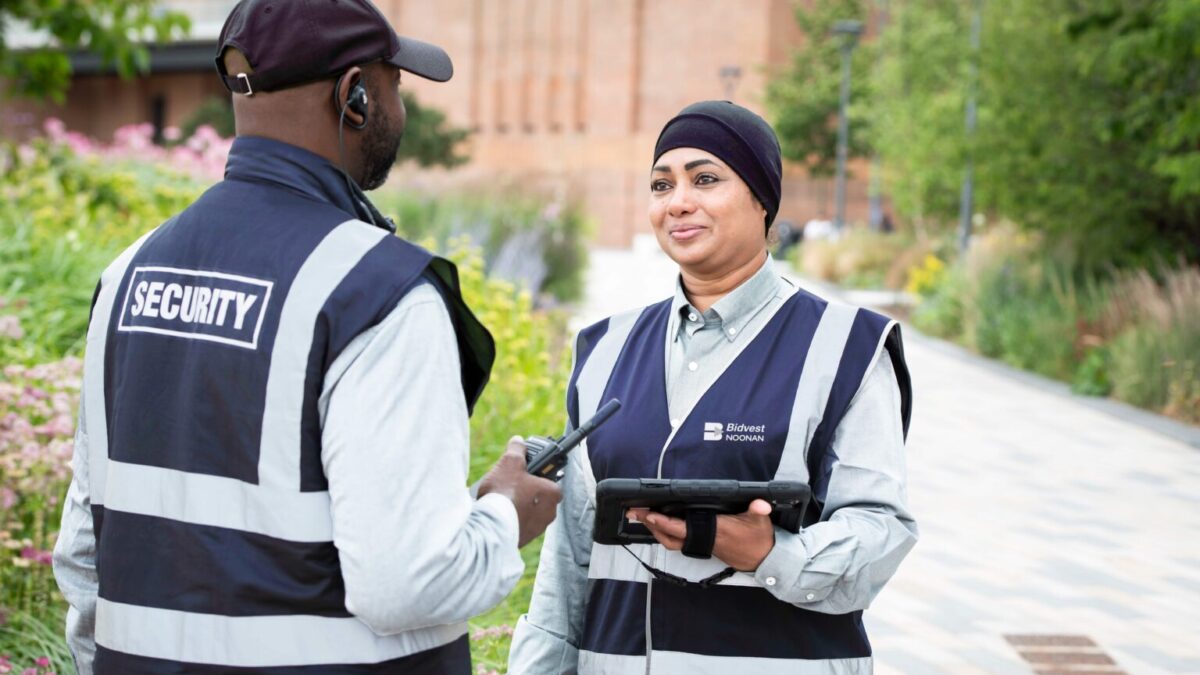
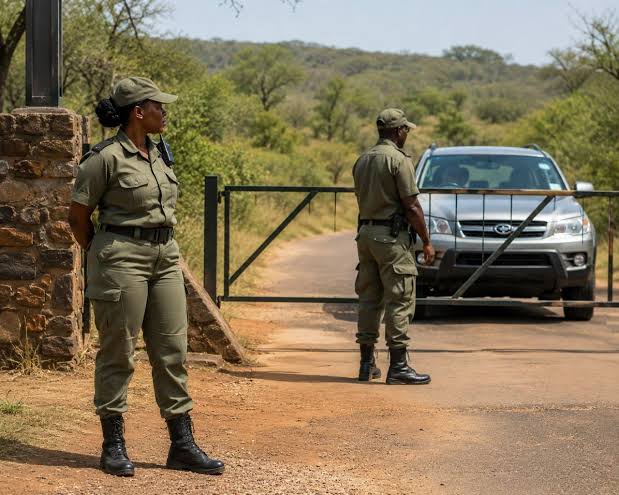
Security officers help protect property, monitor access to buildings, observe suspicious activities, and report incidents. Depending on the employer and the workplace, they may work at offices, shopping centres, residential properties, industrial sites, or other locations.
Before applying, however, you need to establish whether a position is available.
What should applicants know about the vacancy?
The exact details depend on the official recruitment notice. Applicants should look for the following information:
| Vacancy detail | What to confirm |
|---|---|
| Job title | Whether the position is for a security officer, guard, or another security role |
| Employer | Whether Mafoko Security Patrols is the actual recruiting organisation |
| Work location | The province, town, or site where the successful applicant will work |
| Education | The minimum school qualification, if specified |
| PSIRA status | The registration grade or other requirements stated in the advert |
| Experience | Whether previous security experience is necessary |
| Salary | The advertised pay and any applicable benefits |
| Working hours | Whether shifts, weekends, or public holidays are required |
| Closing date | The final date for submitting applications |
| Application method | The official email address, recruitment portal, or other stated method |
Don’t assume that all security officer positions have the same requirements. One employer may need experienced officers for a particular site, while another may consider applicants with less experience who meet its stated conditions.
Are applications currently open?
The availability of Mafoko Security Patrols Security Officer Vacancies must be confirmed through a current, authentic recruitment notice.
An article appearing online doesn’t automatically mean that applications are still open. Some job advertisements remain available after their closing dates, while others are copied and shared without being checked.
Before preparing your application, confirm that the opportunity is genuine and that the employer is accepting applications.
2. About Mafoko Security Patrols
Private security companies provide services designed to protect people, buildings, equipment, and other valuable property.
Security personnel may be assigned to different workplaces depending on the employer’s services and the needs of its clients. Their duties can include controlling access, monitoring activity, conducting patrols, and reporting incidents.
Mafoko Security Patrols is the company named in this vacancy topic. Applicants should consult the company’s verified information to establish its current services, recruitment contacts, and available positions.
Understanding the private security industry
Security work involves more than standing at an entrance. Officers must remain observant, follow workplace procedures, communicate clearly, and respond appropriately when something unusual happens.
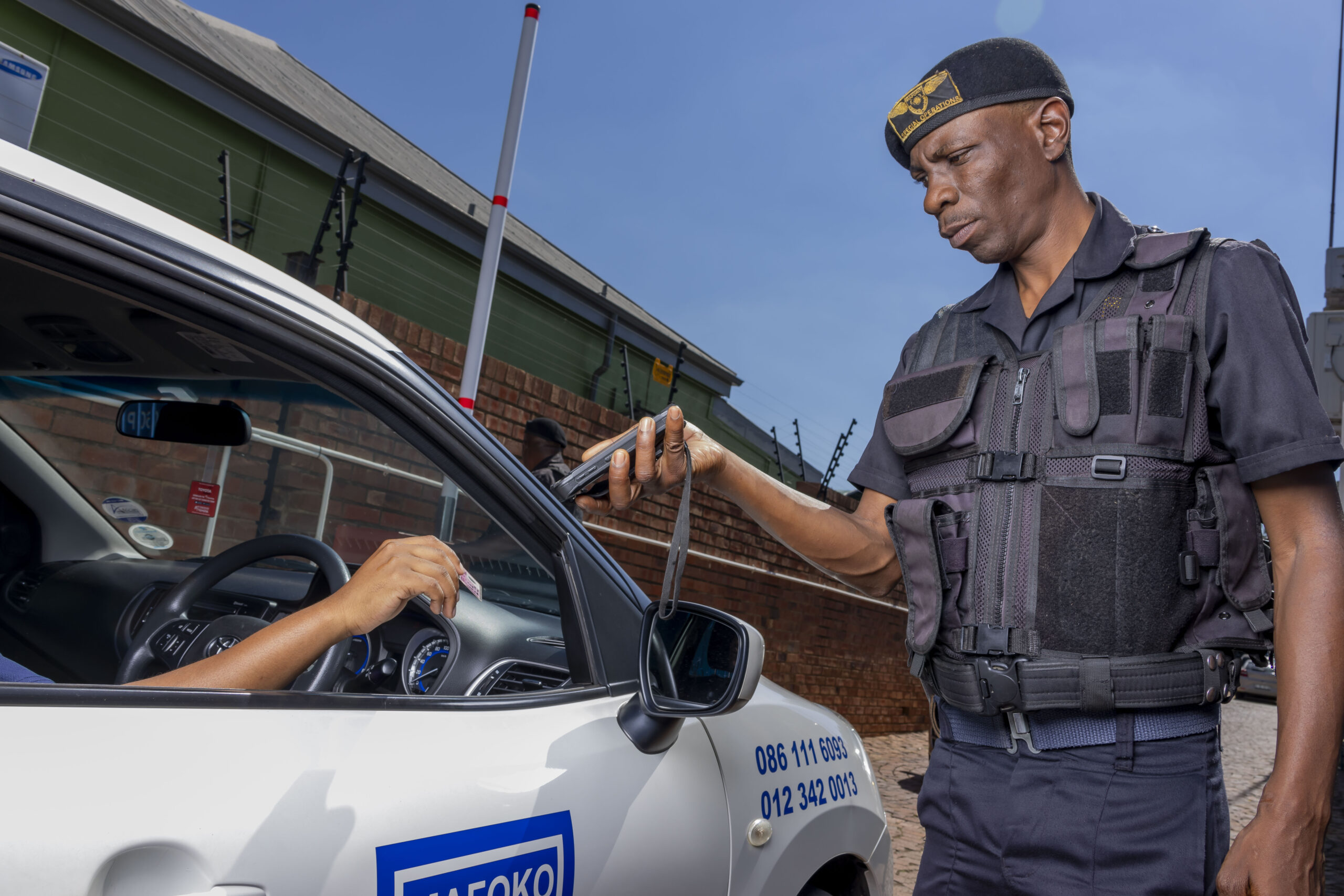
For example, an officer working at a business entrance may need to confirm visitors’ details, follow access rules, and direct authorised visitors to the correct area.
At another site, the officer may be responsible for scheduled patrols, monitoring designated areas, or recording events in a security occurrence book.
The precise responsibilities depend on the assignment and the employer’s instructions.
Why professional conduct matters
Security officers often represent both their employer and the client whose property they protect.
Professional conduct includes:
- Arriving for duty on time.
- Wearing the required uniform correctly.
- Following lawful instructions and site procedures.
- Treating visitors and colleagues respectfully.
- Protecting confidential information.
- Reporting incidents accurately.
- Avoiding unnecessary arguments or confrontations.
These behaviours help build trust and support a safer workplace.
Where can you verify the company?
Start by looking for the company’s official website or verified business contact details. Check that the recruitment information comes from a trustworthy source.
You can also consult the official website of the Private Security Industry Regulatory Authority (PSIRA) for information about security industry registration and applicable requirements.
Official website: https://www.psira.co.za/
Use verified information when deciding where to send your documents. If you cannot establish that a recruitment notice is genuine, pause before applying.
3. Why Consider a Security Officer Career?
A security officer position may provide an opportunity to develop workplace skills and gain experience in a structured environment.
For people interested in safety, observation, and protecting property, security work can offer a practical career path. However, applicants should understand that the job also involves responsibility, discipline, and working conditions that may be demanding.
Opportunity to gain work experience
Security officers can develop skills that are useful in other workplaces, including communication, teamwork, time management, and incident reporting.
For example, recording an incident accurately requires attention to detail. Communicating with visitors requires patience and clear language. Following a duty roster requires reliability and punctuality.
These skills may also be useful when applying for other jobs in the future.
Learning workplace discipline
Security work often follows specific procedures. Officers may need to sign duty registers, complete reports, follow shift schedules, and comply with site instructions.
Learning these routines can help workers understand workplace expectations and become more confident in their responsibilities.
Different workplace environments
Depending on the employer, security officers may work at commercial buildings, industrial facilities, residential developments, retail premises, or other locations.
Each environment can present different responsibilities.
An officer assigned to an office building may focus on visitor access, while an officer at an industrial facility may follow site-specific safety and access procedures.
Applicants should check the location and duties before accepting a position.
Potential career development
With suitable experience, training, and additional qualifications, some security workers may progress into supervisory positions or specialised security roles.
Possible career paths can include:
- Senior security officer.
- Security team leader.
- Security supervisor.
- Control-room operator.
- Security site coordinator.
These opportunities aren’t guaranteed. Progression depends on the employer’s structure, available positions, the employee’s performance, and the qualifications required for the next role.
Is security work suitable for everyone?
Not necessarily. The work may involve long periods of standing, night shifts, weekend duties, outdoor conditions, or responding to difficult situations.
Before applying, consider whether you can meet the advertised working conditions.
A good decision starts with understanding both the opportunities and the responsibilities.
4. Duties and Responsibilities of Security Officers
The duties of a security officer depend on the workplace, the contract, and the employer’s procedures.
Although every assignment is different, several responsibilities are common across the private security industry.
Access control
Access control means managing who may enter or leave a particular site.
An officer may be required to:
- Check visitors’ identification where the procedure requires it.
- Confirm appointments or authorisation.
- Record visitor details according to site rules.
- Direct visitors to the correct entrance.
- Follow procedures for deliveries and contractors.
- Report unauthorised access attempts.
Officers must follow the rules of the site and treat people fairly and professionally.
Conducting security patrols
Some assignments require officers to patrol designated areas at scheduled times.
During a patrol, an officer may observe doors, gates, fences, entrances, and other areas identified in the site instructions.
If something appears unusual, the officer should follow the correct reporting procedure.
Patrol duties require alertness and an understanding of the workplace’s safety rules.
Monitoring security systems
Depending on the assignment, officers may monitor cameras, alarms, access-control equipment, or other security systems.
They may need to identify unusual activity and notify the appropriate supervisor or response team.
Applicants shouldn’t assume that every security officer position involves operating electronic equipment. The original job description should explain any special responsibilities.
Writing reports
Accurate reporting is an important part of security work.
Officers may record visitor movements, patrols, incidents, equipment problems, or other events relevant to their duties.
A useful report should be clear, factual, and completed according to workplace procedures.
For example, an officer should record what they observed rather than make unsupported accusations about another person.
Responding to incidents
Security officers may need to respond when an alarm sounds, a safety problem occurs, or an incident is reported.
Their response must follow training, site procedures, and the law. This may involve informing a supervisor, contacting emergency services, protecting people from immediate danger, or preserving relevant information.
Officers shouldn’t take unnecessary risks or act outside their training and legal authority.
Supporting workplace safety
Security personnel can help identify hazards, report damaged access points, and direct people according to emergency procedures.
This responsibility requires attention to detail and cooperation with other workers.
Overall, security officers help maintain a safer environment through observation, prevention, communication, and proper reporting.
5. Possible Requirements for Security Officer Jobs
The requirements for Mafoko Security Patrols Security Officer Vacancies must be checked against the actual recruitment advertisement.
There is no single set of requirements that applies to every security position in South Africa.
Nevertheless, the following are common areas that employers may consider.
Educational qualifications
An employer may require a specific school qualification or another recognised level of education.
Some positions may accept applicants with lower formal qualifications, while other roles may require Matric or additional training.
Read the advert carefully. Don’t assume that Grade 10, Grade 12, or any other qualification is sufficient unless the employer confirms it.
PSIRA registration
Security officers working in regulated private security activities generally need to meet the applicable PSIRA registration requirements.
The required registration status or grade may depend on the role.
Applicants should check the official PSIRA requirements and make sure their registration details are valid where necessary.
Previous experience
Some positions require previous security experience, while others may consider applicants who are new to the industry.
Experience can be helpful because it may demonstrate familiarity with patrol procedures, access control, incident reporting, and workplace discipline.
However, you shouldn’t reject yourself before reading the requirements. Apply if you meet the stated criteria.
Communication skills
Security officers regularly communicate with visitors, employees, supervisors, and members of the public.
Employers may look for applicants who can understand instructions, provide clear information, and complete written records.
Availability for shifts
Security services may operate throughout the day and night.
A vacancy may therefore require night shifts, weekend work, public holiday duties, or rotating shifts.
Check the advertised schedule and consider whether you can meet the requirements.
Physical and practical requirements
Depending on the assignment, an employer may specify particular physical or practical abilities related to the job.
Only rely on requirements stated in the actual vacancy notice. Don’t assume that every security position has identical physical standards.
Requirement checklist
| Possible requirement | What to do |
|---|---|
| School qualification | Prepare proof of your highest relevant qualification |
| PSIRA registration | Check the registration requirements for the position |
| Experience | Describe relevant previous duties honestly |
| Communication | Prepare to demonstrate clear communication |
| Shift availability | Review the advertised working schedule |
| Identification | Prepare the identification documents requested |
| Additional training | Check whether certificates are required |
This checklist is a preparation guide, not a confirmed list of Mafoko Security Patrols’ recruitment criteria.
6. PSIRA Registration and Security Training
PSIRA is the Private Security Industry Regulatory Authority, which regulates the private security industry in South Africa.
Its official website provides information about registration, training, and regulatory matters.
Visit: https://www.psira.co.za/
Why registration matters
Security industry registration is an important issue for applicants because the work is regulated.
A person interested in becoming a security officer should understand which registration requirements apply to the position they want.
Employers may require applicants to hold a particular registration status or grade. The correct requirement should be confirmed from the job advert and current PSIRA guidance.
What if you aren’t registered?
If you aren’t registered, first establish whether the position requires registration before appointment or whether the employer has another lawful recruitment arrangement.
Don’t claim to hold a registration grade that you don’t have.
If training is necessary, research recognised training providers and confirm their status before paying for a course.
Be careful of anyone who guarantees a job in exchange for an upfront fee.
Keep your information accurate
Applicants should ensure that their personal information and registration details are correct.
If an employer asks for proof of registration, provide the documentation through the verified application channel.
Where you have questions about registration, contact PSIRA through its official website rather than relying on unverified social media advice.
Training can support professional development
Relevant training may help applicants understand workplace procedures, safety practices, reporting, and the legal responsibilities associated with security work.
The training needed depends on the position and the applicable industry rules.
Before enrolling in any course, confirm the requirements for your intended role. That way, you can avoid spending money on training that doesn’t meet the employer’s needs.
7. Skills Employers Look For
Qualifications are important, but employers may also consider the personal and practical skills needed to perform the work.
The skills required will depend on the specific position.
Alertness and observation
Security officers need to pay attention to their surroundings.
They may need to notice an open gate, a damaged lock, unusual activity, or a safety concern.
Good observation also involves reporting facts accurately rather than making assumptions.
Honesty and integrity
Employers need workers who can be trusted to follow procedures and handle information responsibly.
Security officers may have access to sensitive workplace areas or information about visitors and employees.
Honesty helps maintain trust and supports professional conduct.
Communication
Clear communication helps prevent misunderstandings.
Officers may need to give directions, explain access procedures, communicate with colleagues, or report an incident to a supervisor.
Being polite and direct can help resolve ordinary workplace issues.
Reliability and punctuality
Security services often depend on shift handovers.
If an officer arrives late, the incoming or outgoing shift may be affected.
Applicants should therefore demonstrate reliability during recruitment and, if appointed, follow the agreed schedule.
Teamwork
Security officers may work with supervisors, fellow officers, reception staff, managers, and emergency personnel.
Teamwork helps ensure that information is shared and workplace procedures are followed.
Calm decision-making
Unexpected situations may arise during a shift.
A professional officer should follow training and site procedures, communicate appropriately, and avoid unnecessary confrontation.
Employers may value people who can remain calm and understand when to seek assistance.
Attention to detail
Accurate records and careful observation are important in security work.
A small mistake in a visitor register or incident report may create confusion later.
Taking time to check information can help prevent avoidable errors.
8. Documents to Prepare Before Applying
Preparing your documents in advance can make the application process easier.
However, the documents required for Mafoko Security Patrols Security Officer Vacancies must be confirmed through the official advert.
Curriculum vitae
Your CV should contain accurate information about your education, work history, skills, and relevant training.
If you’ve worked as a security officer before, include the duties you performed and the type of workplace where you gained experience.
If you have no previous work experience, focus on your education, relevant training, transferable skills, and other legitimate experience.
Keep the layout simple and easy to read.
Identification document
Employers may request identification documents as part of recruitment.
Prepare the document specified in the vacancy notice, and submit it only through a verified application channel.
Don’t send sensitive personal information to unknown individuals who claim to be recruiters.
Qualification certificates
Prepare copies of the school qualifications or other certificates requested by the employer.
Make sure the copies are clear and that your personal details are correct.
Don’t claim a qualification you haven’t earned.
Proof of registration
If the position requires PSIRA registration, prepare the relevant proof in the format requested by the employer.
Confirm that the details are accurate and current.
References and supporting documents
Some employers may ask for references, proof of previous employment, or additional documents.
Follow the advertisement rather than sending every document you own.
Providing unnecessary personal information can increase privacy risks and make your application harder to review.
Application preparation checklist
| Document | Preparation step |
|---|---|
| CV | Update contact details, skills, and work history |
| Identification | Prepare the requested copy |
| School certificates | Check that copies are readable |
| PSIRA documentation | Confirm the applicable requirement |
| Training certificates | Include relevant certificates if requested |
| References | Check that the details are correct and permission has been obtained |
| Application form | Complete every required field |
Keep a copy of the final documents you submit. This will help you remember what you provided if you’re invited to an interview.
9. How to Apply for Mafoko Security Patrols Security Officer Vacancies
If you’re interested in Mafoko Security Patrols Security Officer Vacancies, begin by confirming that the company has an active recruitment process.
The following steps provide a general application guide. They aren’t confirmation of a specific current vacancy or a substitute for the employer’s instructions.
Step 1: Find the original advertisement
Look for a recruitment notice from the company or another reliable source that clearly identifies the employer.
Check the publication date and closing date.
If the advertisement doesn’t provide enough information to verify the vacancy, contact the company through independently verified business details.
Step 2: Read the requirements
Check the minimum qualification, registration requirements, experience, work location, and shift expectations.
Make sure you understand which requirements are compulsory.
If the position requires documents you don’t have, establish whether you can lawfully and realistically meet the conditions before applying.
Step 3: Update your CV
Tailor your CV to the position.
For example, if you have previous experience in access control, patrols, or incident reporting, describe those duties clearly.
Don’t copy qualifications or experience from another person’s CV.
Step 4: Prepare the requested documents
Gather the documents listed in the official advertisement.
Use clear file names if you’re submitting your application electronically.
For example, you could name your CV file CV_YourName.pdf. Replace the example with your own name when preparing your document.
Step 5: Follow the official application method
The advertisement may instruct applicants to use an online portal, email, or another formal method.
Use only the application channel that you have verified.
Don’t assume that an application email address, WhatsApp number, or online form shared by an unrelated website belongs to Mafoko Security Patrols.
Step 6: Submit before the deadline
Allow enough time to complete the process.
If the application requires multiple documents, check that all requested files are attached and can be opened.
Keep a copy of your application and any confirmation message you receive.
Step 7: Prepare for possible contact
If the employer shortlists you, it may contact you for additional information, an interview, or another recruitment step.
Make sure your telephone number and email address are correct.
Be cautious of anyone asking you to pay money to secure an interview or guarantee employment.
What if you can’t find an application link?
Don’t invent an email address or send your documents to a random number.
Instead, seek the company’s verified contact details and ask whether recruitment is open and how applicants should apply.
This approach helps protect your personal information and reduces the risk of falling for fraudulent advertisements.
10. Tips for Preparing a Strong Application
A well-prepared application can help an employer understand your qualifications and suitability for a position.
Although no CV can guarantee an interview, you can improve your application by making it accurate, relevant, and easy to read.
Keep your CV clear
Use simple headings such as:
- Personal contact details.
- Professional summary.
- Education.
- Work experience.
- Relevant skills.
- Training and certificates.
Include only information that is accurate and appropriate for the application.
Highlight relevant experience
If you’ve worked in security before, explain your responsibilities.
You might mention experience with access control, visitor registers, patrols, incident reports, or security equipment, provided these duties are accurate.
If you haven’t worked in security, don’t pretend otherwise. Instead, highlight transferable skills such as reliability, communication, and following instructions.
Use professional language
Your application should be respectful and easy to understand.
Check spelling, grammar, telephone numbers, and email addresses before submitting.
A short, well-organised CV is often easier to review than a document filled with unrelated information.
Prepare for an interview
If invited to an interview, review the job description and think about how you would carry out the advertised duties.
You may be asked about your experience, availability, qualifications, or understanding of workplace procedures.
Answer honestly. If you don’t know something, explain what you know and how you would seek the correct guidance.
Be ready to explain your availability
Security positions may involve shift work.
Before accepting an interview or offer, understand the location, hours, transport arrangements, and other practical details.
This will help you decide whether the position is suitable.
Stay professional after submitting
Keep your phone available when possible and check your email regularly.
If you follow up with the employer, use a verified contact channel and communicate politely.
Remember that recruitment can take time, and an application doesn’t guarantee a response.
11. Common Application Mistakes to Avoid
Job seekers sometimes miss opportunities because they overlook instructions or submit incomplete applications.
You can reduce these problems by checking your documents before sending them.
Ignoring the closing date
Always check the deadline.
If the closing date has passed, verify whether the employer is still accepting applications before submitting your documents.
Sending incomplete documents
If an advert requests a CV, qualifications, and proof of registration, check that all required documents are included.
Missing documents may prevent an application from being considered.
Providing incorrect information
Don’t exaggerate your experience or claim qualifications you don’t have.
Employers may verify the information you provide.
Accurate information helps build trust and prevents unnecessary problems later.
Applying for the wrong position
Read the job title and responsibilities carefully.
A security supervisor position may have different requirements from an entry-level security officer role.
Make sure you’re applying for the position you actually want.
Trusting every online advertisement
An advert may use a company’s name without being authorised by that company.
Check the source before sharing documents or making decisions based on the information.
Paying for a guaranteed job
Be cautious if someone promises employment in exchange for a payment.
Verify any claimed recruitment fee directly with the employer through trusted contact details, and never assume that a payment request is legitimate.
Forgetting to check your contact details
A typing error in your phone number or email address could prevent the employer from contacting you.
Check your CV and application form before submitting them.
12. Working Conditions in the Security Industry
Security officers may work in different environments, and conditions vary by assignment.
Before accepting a job, make sure you understand the working arrangements.
Shift work
Security services may need to operate around the clock.
Some officers work during the day, while others work at night or follow rotating shifts.
Check the actual schedule before accepting an offer.
Weekend and public holiday duties
Some security contracts require coverage on weekends and public holidays.
Applicants should review the roster expectations and ask the employer about any details that aren’t clear.
Standing and walking
Certain assignments involve standing at entrances or walking during patrols.
Other positions may involve monitoring equipment or working in a control room.
The physical demands depend on the role.
Outdoor work
Officers assigned to outdoor areas may need to work in changing weather conditions.
Ask about the location and responsibilities so you understand what the position involves.
Following workplace rules
Security officers must follow the procedures that apply to their assignments.
These may cover access control, reporting, emergencies, communication, and the handling of confidential information.
Professional boundaries
Officers should understand their legal responsibilities and the limits of their authority.
They must follow training, workplace rules, and applicable law.
If a situation falls outside their training or authority, they should seek appropriate assistance rather than taking unnecessary risks.
13. Career Growth Opportunities
A security officer role can help workers gain experience and identify areas for further training.
Career advancement isn’t automatic, but developing relevant skills may help when suitable opportunities become available.
Senior security officer
Experienced officers may be considered for senior duties where the employer has such a position.
The role may involve additional responsibilities, assisting colleagues, or supporting daily site operations.
Security supervisor
A supervisor may help coordinate staff, check duty schedules, monitor compliance with procedures, and report operational issues.
The required experience and qualifications depend on the employer.
Control-room work
Some security organisations employ staff to monitor cameras, alarms, communications, and other systems.
These roles may require specific technical knowledge or training.
Specialist security work
Certain assignments require additional qualifications, licences, or specialised training.
Applicants should research the requirements carefully before pursuing a particular path.
Continue learning
Workers can improve their professional development by keeping their relevant registration current, following industry guidance, and gaining experience in appropriate duties.
Ask employers about training opportunities where available.
The important point is to build your skills honestly and make decisions based on the requirements of the role you want to pursue.
14. How to Identify Genuine Security Vacancies
Job scams can target people who are urgently looking for work.
Fraudulent advertisements may copy company logos, use the names of real employers, or promise quick employment.
Take time to verify a vacancy before sending sensitive information.
Check the original source
Look for an advertisement on the employer’s verified website or through another source that can be independently confirmed.
If you find the vacancy on social media, don’t assume that the account is official simply because it uses the company’s name or logo.
Verify contact details
Compare the recruitment contact details with those published by the company through trusted channels.
Be cautious if an advertiser refuses to explain how the recruitment process works or provides inconsistent information.
Be careful with payment requests
A demand for money in exchange for a guaranteed job, interview, or appointment should raise concerns.
Don’t pay an unknown person simply because they claim to represent a security company.
Verify the request independently before taking any action.
Protect your personal information
Your CV and supporting documents may contain personal information.
Submit them only through an application channel you have checked.
Don’t share passwords, banking PINs, or one-time security codes with someone claiming to be a recruiter.
Confirm the vacancy details
A genuine recruitment notice should provide enough information for applicants to understand the role and its requirements.
Check the job title, location, closing date, and application method.
If these details are missing or appear inconsistent, ask the employer for clarification.
Report suspicious activity
If you believe an advertisement is fraudulent, avoid sending additional information or money.
You may seek guidance from the relevant authorities or report the matter through appropriate official channels.
A useful rule: Verify first, prepare your documents second, and submit your application only when you’re satisfied that the recruitment process is genuine.
15. Frequently Asked Questions
1. Are Mafoko Security Patrols Security Officer Vacancies currently open?
The current recruitment status hasn’t been independently confirmed in this article. Check the company’s verified recruitment channels or contact the company through independently verified business details.
2. What qualifications are needed to apply?
The required qualifications depend on the specific position. Read the official vacancy notice to confirm the minimum education level, PSIRA requirements, experience, and any additional conditions.
3. Is PSIRA registration required for security officers?
Security officers working in regulated private security activities generally need to meet applicable PSIRA registration requirements. The specific registration status or grade depends on the role. Check the official PSIRA website and the employer’s advert.
4. Can I apply without previous security experience?
That depends on the position. Some vacancies require previous experience, while others may consider applicants with less experience. Apply only if you meet the requirements stated in the official advertisement.
5. How do I submit my application?
Follow the application instructions in the verified vacancy notice. The employer may specify an online portal, email address, or another formal method. Don’t assume that an unverified phone number or email address is an official recruitment channel.
6. What documents should I prepare?
Commonly requested documents may include a CV, identification, qualification certificates, and proof of PSIRA registration where applicable. The official advertisement determines which documents are required.
7. What is the salary for a Mafoko Security Patrols security officer?
The salary for the specific vacancy hasn’t been confirmed here. Check the original advertisement or ask the employer through a verified contact channel. Pay may vary according to the position, assignment, working hours, and applicable employment conditions.
8. What is the closing date?
A confirmed closing date hasn’t been provided. Check the original recruitment notice and make sure the deadline hasn’t passed before submitting an application.
9. Do security officers work night shifts?
Some security positions involve night shifts, weekends, public holidays, or rotating schedules. The working hours for a particular Mafoko Security Patrols position must be confirmed from the vacancy notice or employer.
10. How can I avoid security job scams?
Verify the vacancy through trusted company channels, check the contact details, and be careful with requests for money or sensitive information. Never assume an advertisement is genuine simply because it uses a company logo.
16. Conclusion
Mafoko Security Patrols Security Officer Vacancies may be relevant to people seeking opportunities in South Africa’s private security industry. However, applicants must confirm that recruitment is open and establish the exact requirements before submitting their documents.
Start by finding a genuine advertisement. Check the qualifications, PSIRA requirements, location, salary, closing date, and application method. Then prepare a clear CV and gather the documents requested by the employer.
Remember that security work requires professionalism, reliability, attention to detail, and respect for workplace procedures. These qualities can help you prepare for recruitment and understand the responsibilities of the role.
For information about private security industry registration, consult the official PSIRA website.
Before applying: Confirm the vacancy directly with Mafoko Security Patrols. No salary, closing date, reference number, or active recruitment status should be treated as confirmed until verified through an authentic source.